Navy Victoria
Network
Proudly supported by the Melbourne Naval Committee
Captain Gerald Mellor HAYNES DSO
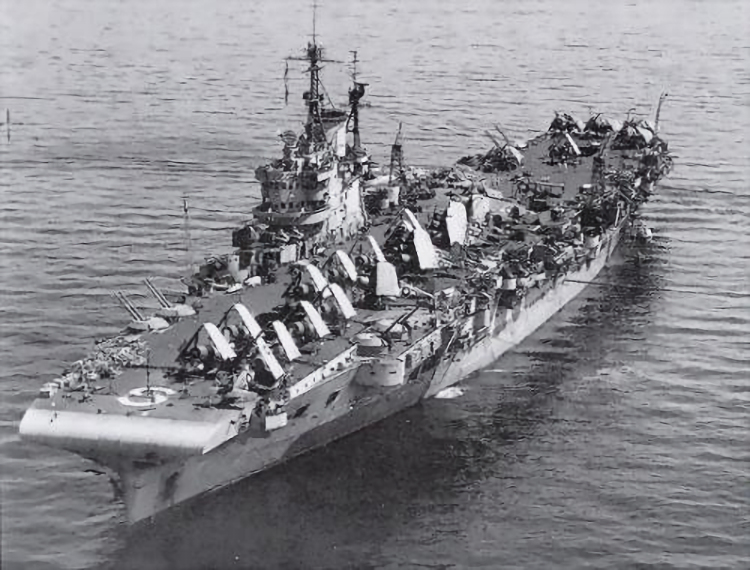
Gerald Haynes was born on 11 October 1911 in the Melbourne suburb of Brighton and educated at Haileybury and Melbourne Grammar before entering the Royal Australian Naval College, Jervis Bay, as a Cadet Midshipman in 1925. He was promoted to Midshipman in May 1929 and undertook training at sea in the heavy cruiser HMAS Australia and with the Royal Navy in the battleship HMS Royal Oak and the destroyers HMS Acasta and HMS Vimiera; he then attended the Royal Naval College, Greenwich, and specialist schools at Portsmouth. Promoted to acting Sub-Lieutenant in September 1931, Haynes returned to Australia where he asked to retire, transferring to the Emergency List in May 1933 to pursue a career in engineering. Over the following years he went into the family business, trained as a marine fitter, and was involved in amateur sailing. He established a maritime engineering company in South Melbourne in 1938, and for a short time ran trading schooners between Tasmania and Melbourne, gaining his master’s certificate. Having been promoted to Lieutenant in May 1935, Haynes was recalled to duty on 28 August 1939, just before the outbreak of World War II. He joined the heavy cruiser HMAS Canberra as a watchkeeping and divisional officer; the ship carried out patrolling and escort duties in the Tasman Sea. In May 1940 he was chosen to undertake an air observer’s course with the Royal Navy. Having had brief civilian pilot training, he was seconded to the RN Fleet Air Arm on the their assumption - which he did not discourage - that his "nine hours and 50 minutes" civilian flying was 950 hours. After completing training in England and Trinidad in June 1941, he joined No. 828 Naval Air Squadron, Fleet Air Arm, which conducted anti-submarine patrols over the North Sea in Fairey Albacore torpedo bombers. While the squadron was embarked in the aircraft carrier HMS Victorious, he participated in the attack against German shipping in the Norwegian port of Kirkenes on 30 July, to which the squadron contributed eight aircraft and lost five. He was the officer of the watch on Victorious in the chase that destroyed the Bismarck, showing exceptional skill as a navigator both marine and air. While his squadron was en route to Malta with him as second in command, he also served as officer of the watch in the new cruiser Eurylaus.
What remained of No. 828 Squadron then went on to Hal Far on Malta in September 1941 to engage Axis shipping in the Mediterranean. Haynes was made the unit’s commander in December, the first Australian to command a Fleet Air Arm squadron. In February 1942, with great bravery, skill and determination, he led night torpedo attacks on Axis convoys, including an attack on four enemy cruisers and nine destroyers, scoring four torpedo hits on the ships. Also bombing raids on airfields in Sicily and Libya until the squadron’s aircraft had been critically depleted by Luftwaffe air attacks. From June 1942 he commanded Malta reinforcement flights from North Africa. He experienced more than 1,000 air raids while in Malta, where conditions were extremely grim. For his services in the Mediterranean, he was awarded the Distinguished Service Order. The citation reads: "For great bravery, skill and determination in torpedo and
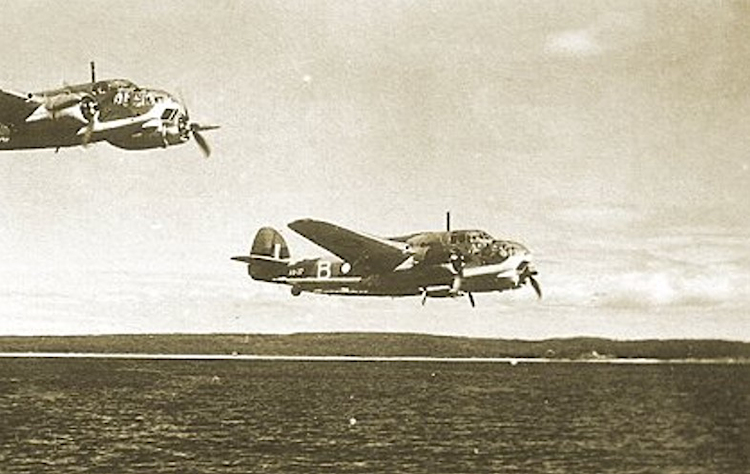
Following his Mediterranean experiences, he returned to Australia hitching a ride on the Stirling Castle. In September 1942 he was loaned to the Royal Australian Air Force’s Directorate of Training, with which his skills and experience were to be used in enhancing the proficiency of Bristol Beaufort crews in torpedo bombing. Briefly attached to No. 100 Squadron, RAAF, based at Milne Bay, Papua, for this purpose, he also flew in reconnaissance patrols and anti-shipping sorties against the Japanese.
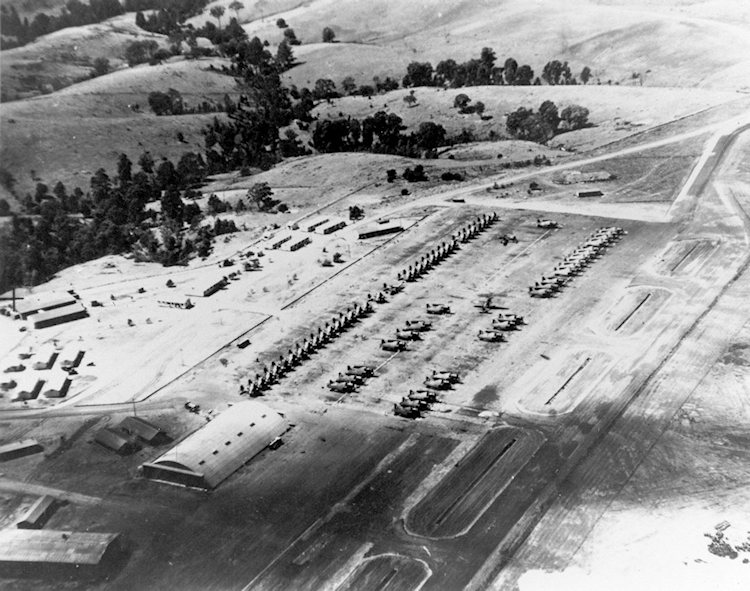
Gerry returned to Australia in January 1943, having helped to improve the skills of the squadron, and joined the staff of the RAAF’s torpedo bomber training establishment at Nowra, New South Wales.
On 1 February at the chapel of St Andrew, Grimwade House, Melbourne Church of England Grammar School, he married Pauline Hilary Hope Ferris, a Brisbane-born nurse and former air hostess. In May, Haynes was promoted to Lieutenant Commander. He spent three months at Navy Office, Melbourne, before he was again loaned to the Royal Navy, in July 1944, to instruct crews in operating Fairey Barracuda torpedo bombers, at HMS Urley, Isle of Man, and from October 1944 as an instructor at the School of Naval Air Warfare, St Merryn, Cornwall. He earned his pilot’s wings during this time and his job on D-Day was to fly in a Hellcat armed with rockets. He remained in Britain until the cessation of hostilities. Returning to Australia in November 1945, Haynes was posted to Navy Office, where he contributed to the creation of the Royal Australian Navy Fleet Air Arm. He was released from active duty in January 1947 to restart his shipping business. Over the following decades he expanded its trade to New Zealand and Papua New Guinea, specialising in transporting explosives. In 1962 he retired from the Naval Reserves. For thirty-five years he served the Melbourne Legacy Club. Predeceased by his wife, he died on 13 October 1999 at Prahran, Melbourne at age 88. He was survived by his three daughters, Jan, Jenny, and Pamela and six grandchildren. His body was donated to the University of Melbourne’s department of anatomy. _______________________________________________________________________________
Sources: Compiled by Laurie Pegler |
 Captain Gerald Mellor 'Gerry' Haynes’s wartime career combined skill and
daring at sea and in the air. He was officer of the
watch in HMS Victorious in the chase that destroyed the
German pocket battleship Bismarck.
Captain Gerald Mellor 'Gerry' Haynes’s wartime career combined skill and
daring at sea and in the air. He was officer of the
watch in HMS Victorious in the chase that destroyed the
German pocket battleship Bismarck.